A Food Lover's Guide to Balinese Cuisine: Must-Try Dishes
Balinese food doesn't always get the spotlight that Balinese temples and beaches do, but it deserves just as much attention. Built around fresh spices, coconut, and rice, the island's cuisine reflects both its Hindu religious traditions and its position along historic Southeast Asian trade routes. Here's what to look for on menus and warung boards.
Babi Guling (Suckling Pig)
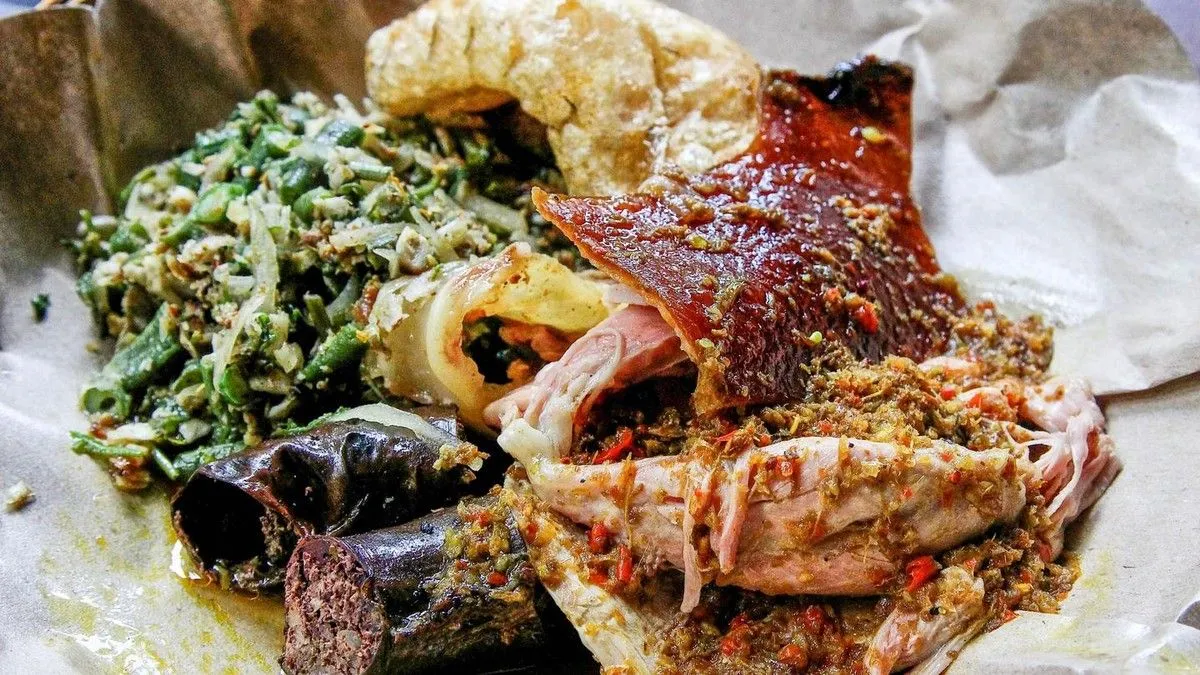
Often considered Bali's signature dish, babi guling is whole pig roasted over an open fire and stuffed with a mix of turmeric, galangal, garlic, chili, and other spices known as base genep. It's traditionally served for ceremonies and celebrations, but plenty of warungs sell it daily — Ubud is particularly well known for it.
Bebek Betutu (Slow-Cooked Duck)
Bebek betutu is duck (or sometimes chicken, called ayam betutu) marinated in the same spice paste used for babi guling, wrapped in banana leaves, and slow-cooked for hours until the meat falls off the bone. It's less commonly found on standard menus, so it's worth seeking out at restaurants that specialize in it, since the long cooking time means it's often made to order.
Nasi Campur
Nasi campur — literally "mixed rice" — is less a single dish than a format: a scoop of rice surrounded by small portions of vegetables, meat, tofu, tempeh, and sambal. It's the closest thing to a culinary sampler of Balinese home cooking, and every warung's version looks a little different.
Sate Lilit
Unlike skewered sate found elsewhere in Indonesia, sate lilit is made from minced fish or meat mixed with grated coconut and spices, then pressed around lemongrass stalks or bamboo skewers before grilling. The lemongrass adds a subtle citrus note as it cooks.
Lawar
Lawar is a mix of finely chopped vegetables (often young jackfruit or long beans), grated coconut, and minced meat, seasoned with a rich spice paste. There are red (with blood) and white (without) versions — worth asking about if you're curious, or want to avoid one.
Sambal Matah
This raw sambal — made from thinly sliced shallots, lemongrass, chili, and lime, then doused in hot coconut oil — is less a dish and more a condiment that shows up everywhere. It's sharper and fresher than cooked sambals, and a good way to add heat to whatever you're eating.
Jaje Bali (Balinese Sweets)
Traditional Balinese sweets — like klepon (rice cake balls filled with palm sugar), dadar gulung (pandan crepes with coconut filling), and laklak (small coconut-topped pancakes) — are commonly sold at local markets rather than restaurants, so a morning market visit is often the best way to try a range of them at once.
Where to Eat: Warungs vs. Restaurants
For an authentic, budget-friendly introduction to Balinese food, local warungs are hard to beat — many operate as family businesses with recipes passed down through generations. Restaurants aimed at tourists tend to adjust spice levels and presentation, which isn't a bad thing if you're easing into the cuisine, but it's worth trying at least a few warung meals for a truer sense of local flavor.
A Note on Spice Levels
Balinese food can run spicy, particularly anything built around sambal. If you're sensitive to heat, it's fine to ask for sambal on the side — most places are used to the request, especially in more touristed areas.